How to Stay Safe – A Practical Guide
Clear, practical advice to help you protect your home without stress, complexity or unnecessary cost.

Why personal security matters
Personal security is about helping you feel safer, calmer and more confident in everyday life. It is not about being fearful or suspicious of everyone around you. It is about understanding your surroundings, making sensible choices and building small habits that reduce unnecessary risk.
Most of us move through busy streets, car parks, public transport, shops, workplaces, social events and unfamiliar places without thinking too much about our personal safety. In most cases, nothing goes wrong. But simple preparation can make a real difference if something doesn’t feel right.
In this guide, I’ll walk you through how to stay safe step by step, with clear and practical advice that anyone can use. The aim isn’t to make life smaller. The aim is to help you move through each day with more awareness, better preparation and greater confidence.
Understanding situational awareness
Situational awareness simply means noticing what is going on around you and thinking about what might happen next. It is a calm, practical skill. You are not looking for danger everywhere. You are paying attention to people, places, exits, lighting, routes and anything that feels unusual.
A useful way to think about it is to pause, look, assess and act. Notice your surroundings, understand whether anything changes the level of risk, and make a sensible decision early rather than waiting until you feel vulnerable.
Trust your instincts
If something feels wrong, take it seriously. Your instinct is often your mind processing small details before you have fully explained them to yourself. You don’t need to justify leaving a place, crossing the road, calling someone, asking for help or changing your plan.
Trusting your instincts doesn’t mean overreacting. It means giving yourself permission to act early. A small change of route, moving closer to other people, stepping into a shop or phoning someone you trust can be enough to make you feel safer and more in control.
Common mistakes people make
Many personal safety problems come from simple habits rather than a lack of specialist knowledge. The most common mistakes are easy to avoid once you know what to look for.
- Walking with headphones so loud that you cannot hear what is happening around you.
- Looking down at your phone for long periods in public places.
- Taking shortcuts through dark, quiet or unfamiliar areas.
- Leaving a drink unattended on a night out.
- Getting into an unbooked private hire vehicle or unofficial taxi.
- Displaying expensive watches, jewellery, phones or bags unnecessarily.
- Letting your phone battery run low when you still need to travel home.
- Ignoring a feeling that something is not right because you don’t want to appear rude.
Staying alert and aware
Staying alert doesn’t mean being tense. It means keeping enough awareness to make good decisions. Small everyday habits can help you spot problems early and avoid putting yourself in vulnerable situations.
- Look up regularly and notice who and what is around you.
- Walk with confidence and like you belong.
- Keep at least one ear free if you are using headphones.
- Know where the exits are in busy places, venues and transport hubs.
- Avoid becoming distracted when using cash machines, ticket machines or your phone.
- Move away early from behaviour that feels aggressive, erratic or uncomfortable.
- Keep your phone accessible, charged and protected.

How to stay safe when out and about
Most everyday personal safety is about planning, awareness and confidence. When you are out and about, try to choose routes and routines that keep you visible, connected and able to change plans if needed.
- If you are going somewhere unfamiliar, plan your route in advance, and tell someone where you are going.
- Use well-lit, busier routes where possible.
- Keep your bag closed and close to you in crowded areas.
- Be cautious if a stranger tries to distract you, rush you or move you away from other people.
- If you feel uncomfortable, move towards shops, staff, transport workers, security teams or other safe public places.
How to stay safe walking at night
Walking at night can feel very different from walking during the day. Reduced visibility, quieter streets and fewer people around can all change how safe a route feels. A little planning can make a big difference.
- Choose main roads and well-lit routes over shortcuts.
- Avoid parks, alleyways, underpasses and isolated paths if there is a safer alternative.
- Keep your phone charged and easy to reach.
- Consider sharing your live location with someone you trust.
- Walk with purpose and avoid stopping in isolated places to check your phone.
- If you think someone is following you, change direction, cross the road, move towards people or enter a safe public place.
How to stay safe on public transport
Public transport is part of everyday life for many people. The aim is to travel in a way that keeps you visible, aware and able to get help if you need it.
- Wait in well-lit areas where there are other passengers or staff.
- Avoid empty train carriages where possible and know where the exits are.
- On buses at night, sit downstairs or closer to the driver if that feels safer.
- Keep your belongings close, especially at stations, stops and busy interchanges.
- If something feels wrong, move seats, get off somewhere safe, speak to staff or call for help.
How to stay safe on a night out
A night out should be enjoyable, not stressful. Good personal safety on a night out is mostly about staying connected, looking after each other and having a clear plan for getting home.
- Plan how you will get home before the evening starts.
- Stay with friends where possible and agree a meeting point if you get separated.
- Do not leave drinks unattended or accept drinks you did not see being prepared.
- Keep enough battery and money available for the journey home.
- Use licensed taxis, booked private hire vehicles or trusted transport options. Check the vehicle details before getting in.
- If a friend seems unwell, unusually confused or vulnerable, stay with them and get help.

How to stay safe when travelling alone
Travelling alone can be completely normal and safe, but it is sensible to prepare. The intention is to reduce uncertainty and make sure someone you trust knows where you are if needed.
- Plan your route before you leave.
- Check the last train, bus or reliable way home.
- Share your route, location or estimated arrival time with someone you trust.
- Keep your phone charged and carry a small power bank if needed.
- Avoid telling strangers that you are travelling alone or unfamiliar with the area.
- Trust your instincts and change your plan if something doesn’t feel right.
How to stay safe when meeting someone for the first time
Whether you are meeting someone socially, professionally or after speaking online, the safest approach is to keep the first meeting public, simple and easy to leave if you need to.
- Meet in a public place with other people around.
- Tell someone you trust who you are meeting and where.
- Arrange your own transport there and back.
- Keep the first meeting short if you are unsure.
- Do not feel pressured to move to a private location.
- Leave if something feels wrong. You do not need to explain yourself.
- If you feel unsafe, speak to venue, bar or restaurant staff; they are often trained to help.
How to stay safe in unfamiliar places
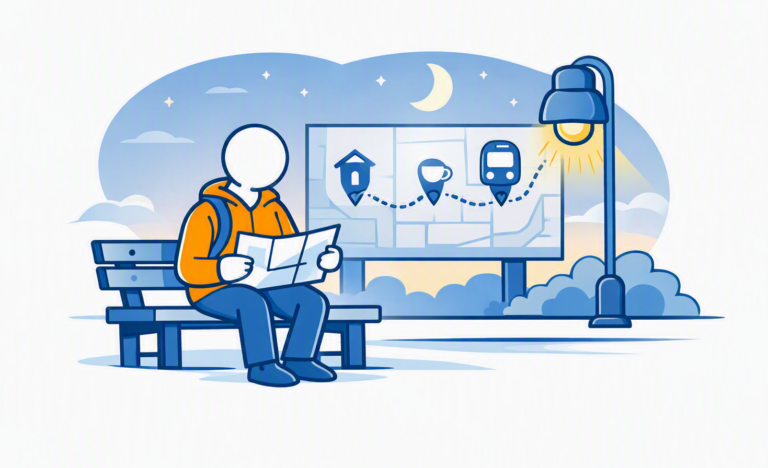
Unfamiliar places can make it harder to judge risk because you don’t yet know the safer routes, busy areas, transport options or places to get help. A few simple checks can help you feel more confident.
- Check your route before you arrive.
- Identify safe places such as stations, shops, hotels, venues or staffed buildings.
- Avoid wandering while distracted by your phone.
- Keep a note of where you are staying and how to get back.
- If you feel unsure, ask staff or officials for help rather than relying on strangers in isolated places.
How to plan your journey in advance
Before leaving home, build a simple journey routine. The aim is to avoid being caught out by a dead phone battery, missed connection, closed station, unsafe shortcut or no clear way home.
- Check your route and expected travel time.
- Know your backup route if the first option fails.
- Check the last train, bus or safe transport option home.
- Tell someone your expected arrival time if you are travelling alone.
- Keep enough battery and payment options available.
- Think about where you would go for help if something changed.
Keeping your phone charged and safe
Your phone is one of your most useful safety tools. It can help you navigate, call for help, share your location, book transport and contact someone you trust. That only works if it is charged, accessible and protected.
- Charge your phone before going out.
- Carry a small power bank if you will be out for a long time.
- Set up emergency contacts and emergency SOS features.
- Use a strong passcode and biometric security where available.
- Avoid holding your phone loosely near the edge of the pavement or road.
- Keep your phone somewhere secure when not in use.
Keeping your valuables safe
Keeping valuables safe is about reducing easy opportunities. Phones, wallets, bags, watches, jewellery, keys and documents can all attract attention if they are visible or easy to take.
- Keep bags closed and in front of you in crowded places.
- Do not leave phones, wallets or bags unattended on tables, chairs or counters.
- Use bags and pockets that make it harder for someone to grab items quickly.
- Use inside pockets where possible for important items.
- Keep keys separate from anything showing your address.
- Only carry what you need for the day or evening.
- Be especially alert in queues, stations, bars, markets and busy shopping areas.
Not obviously displaying wealth
You should be able to wear and carry the things you like. However, it is sensible to think about when and where expensive items are visible. Opportunistic criminals often look for easy targets and obvious rewards.
- Avoid displaying large amounts of cash in public.
- Keep expensive jewellery, watches and devices discreet in unfamiliar or crowded places.
- Be careful when using your phone close to roads or cycle lanes.
- Think about whether your clothing, luggage or accessories draw attention in a particular setting.
Important numbers to have on your phone
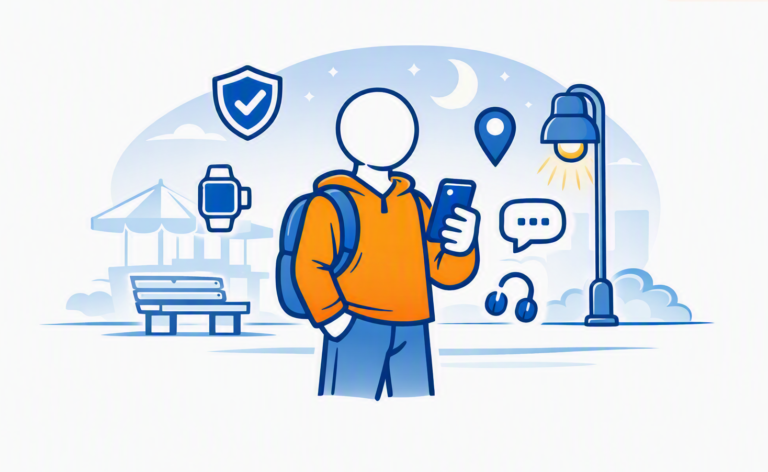
In an emergency, you do not want to waste time searching for the right contact. Save the key numbers you may need and make sure your emergency contacts are easy to find.
- 999 for emergencies where there is immediate danger or a crime is happening now.
- 101 for non-emergency police matters in the UK.
- Trusted family or friends who can help quickly.
- Your taxi or transport provider if you use one regularly.
- Your bank’s lost or stolen card number.
- Your workplace, hotel, accommodation provider or travel contact when relevant.
Useful apps
Apps can be very useful, but they should support your safety habits rather than replace them. Set them up before you need them and check that you know how they work.
- what3words can help you describe a precise location, especially if you are somewhere without an obvious address.
- WhatsApp live location can let a trusted contact see your journey for a chosen period of time.
- Google Maps can help you plan routes, check travel times and avoid getting lost.
- Uber, Bolt or other licensed transport apps can help create a record of your journey and driver details.
- Emergency SOS features on iPhone and Android can help you contact emergency services or emergency contacts quickly.
Useful gadgets
Some gadgets can add reassurance, especially if you travel alone, work alone or regularly walk in quiet areas. Keep it simple and choose tools you will actually carry and use.
- A small power bank for your phone.
- A personal safety alarm.
- A secure cross-body bag or anti-theft bag.
- A small torch or keyring light.
- A tracker tag for keys, bags or luggage.
→ Read the personal safety gadget guide
Quick checklist
- Plan your route before you leave.
- Keep your phone charged and accessible.
- Use well-lit, busier routes where possible.
- Trust your instincts and leave early if something feels wrong.
- Share your location or journey details with someone you trust when appropriate.
- Keep valuables secure and avoid displaying wealth unnecessarily.
- Use licensed or booked transport options.
- Save important numbers and set up emergency contacts.
Summary
I hope you have found this guide useful and now feel better equipped to think about your personal safety in a calm and practical way. You do not need to do everything at once. The important thing is to start with small habits that help you feel more prepared and more confident.
Staying safe is not about being afraid of the world. It is about noticing your surroundings, trusting yourself, planning ahead and making choices that reduce easy opportunities for things to go wrong. Start with the basics, then add tools and routines where they genuinely help.
About me
I’m Lasse, a security expert with 25 years’ experience in the industry. I’ve led security teams for major companies, supported people through crises, and seen first-hand how simple, common-sense steps can prevent many incidents before they happen.
I’m also a husband and father, and I care deeply about helping people keep themselves and their loved ones safe. Over the years, I’ve helped friends, family and colleagues improve their personal safety habits, prepare better and feel more confident when moving through everyday life.