How to Stay Safe When Travelling – A Practical Guide
Clear, practical advice to help you keep safe when travelling and enjoy the many wonderful destinations safely.
Why travel security matters
Travelling should be exciting, a chance to explore new places, relax, meet people and make memorable experiences that will last a lifetime. Whether you’re travelling for work, a weekend away or a long-planned holiday, feeling safe is an important part of enjoying the journey.
Travel security isn’t about being fearful. It’s about being prepared, aware and confident in unfamiliar environments. With a few practical steps and simple routines, you can reduce risk, avoid common problems and focus on enjoying your trip.
In this guide, I’ll provide your clear practical guidance to help you stay safe when travelling; from planning your trip to arriving home again.
Planning your trip safely
Good travel safety starts before you leave home. Take time to understand where you are going, what to expect, and what necessary steps will help you feel confident upon arrival
- Research your destination before you book, including neighbourhoods, transport options and areas best avoided.
- Check official travel advice for entry requirements, local laws, health risks, safety updates and travel warnings.
- Learn the local emergency number and save embassy, high commission or consulate details before you travel.
- Look up common scams in the area, especially around taxis, ATMs, tourist attractions and crowded transport hubs.
- Check the weather, local holidays, major events or political demonstrations that could affect your plans.
- Understand local customs, including dress code, behaviour, tipping, greetings and cultural expectations.
Booking safely
Booking safely is about choosing reliable providers and paying attention to the small details that make a big difference once you arrive.
- Use reputable booking websites or book directly with airlines, hotels and recognised travel providers.
- Read hotel reviews carefully. Look for repeated patterns rather than one-off complaints.
- Be cautious of deals that seem unusually cheap, especially if payment is requested outside the booking platform.
- Check the accommodation location, nearby transport links, lighting, foot traffic and general area safety.
- Look for useful security features such as 24/7 reception, secure access, CCTV, room safes and well-lit entrances.
- Avoid accommodation where access arrangements are unclear, shared keys are used casually, or security information feels vague.
Planning your itinerary
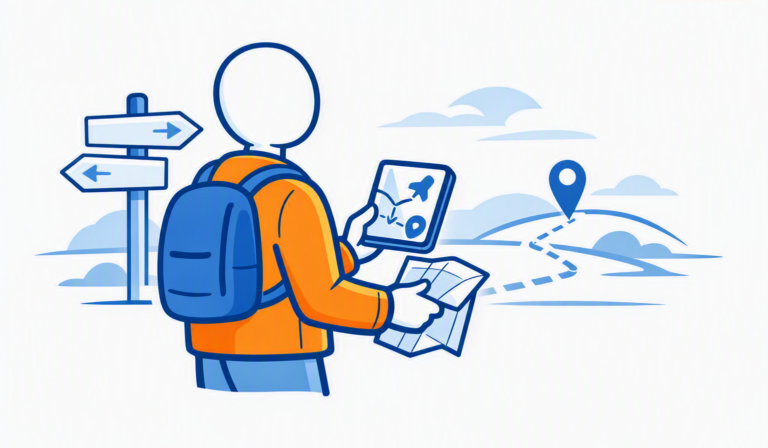
A simple itinerary helps you avoid rushed decisions. You do not need to plan every minute, but it is worth knowing where you are going, how you will get there and what your backup options are.
- Plan your main routes in advance, especially arrival routes from airports, stations or ports.
- Know how you will get from the airport or station to your hotel before you land.
- Identify safe transport options, such as official taxi ranks, hotel transfers or verified ride-hailing apps.
- Avoid leaving key decisions until the last minute, particularly late at night or when you are tired.
- Share your itinerary with someone you trust, including accommodation details and approximate travel times.
- Have backup plans, including alternative routes, nearby transport stops and emergency contacts.
Securing your luggage and documents
Your passport, mobile, cards and travel documents are some of the most important things you carry. Keep them organised, protected and easy to access when needed.
- Use suitable luggage locks, including TSA-approved locks where appropriate for your destination.
- Keep passports, tickets and key documents in a secure pouch or zipped inner pocket.
- Consider an RFID wallet or card holder to help protect contactless cards.
- Split valuables across bags rather than keeping everything in one place.
- Keep digital copies of your passport, insurance, bookings and emergency contacts in a secure cloud account.
- Avoid putting valuables, medication, important documents or irreplaceable items in checked luggage.
At the airport, train or bus station
Transport hubs are busy, distracting places. Most journeys pass without any issue, but crowds can make it easier for opportunistic theft or confusion to happen.
- Stay aware in queues, ticket areas, cafés and crowded walkways.
- Watch for distraction theft, especially if someone bumps into you, asks for help or creates a sudden commotion.
- Keep bags zipped and close to your body, with important items in front-facing or inner pockets.
- Never leave luggage unattended, even briefly.
- Know where your passport and boarding documents are at all times.
- Avoid displaying large amounts of cash, expensive jewellery or high-value devices unnecessarily.
During the journey
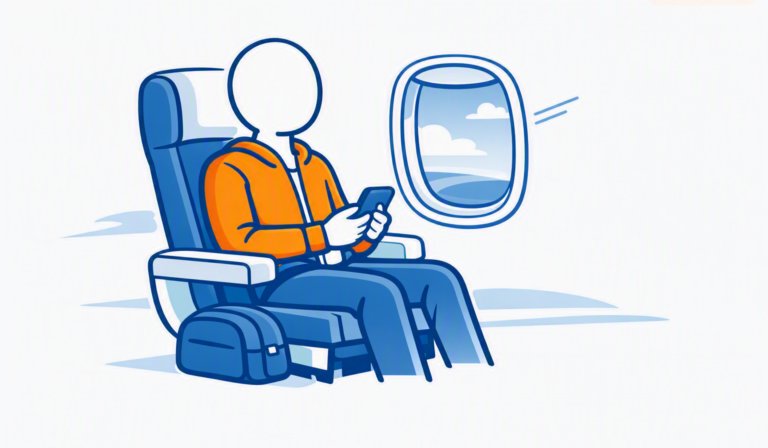
Once you are on your flight, train or coach, the goal is simple: keep your essentials close, stay comfortable and avoid sharing too much information with people you do not know.
- Keep valuables in a small bag under the seat or within easy reach.
- Avoid placing important bags in overhead storage far away from your seat.
- If you sleep, make sure your passport, wallet and phone are secure.
- Keep devices close and avoid leaving them on tables, seat pockets or unattended charging points.
- Be friendly, but avoid sharing hotel details, travel plans or personal information with strangers.
Arriving at your destination
Arrival is often when travellers are most tired, distracted and unfamiliar with their surroundings. A calm arrival routine helps you make safer choices.
- Pause before leaving the airport or station so you can check your route and transport plan.
- Use official taxi ranks, hotel-arranged transfers or verified apps where available.
- Avoid unlicensed taxis or anyone who approaches you aggressively inside the terminal.
- Keep luggage close and avoid putting bags down while checking your phone.
- Know the route to your hotel and roughly how long it should take.
- Avoid isolated areas at night, especially if you are tired or carrying luggage.
Getting to your hotel safely
Your first journey to your hotel sets the tone for the trip. Keep it simple, use trusted transport and avoid unnecessary distractions.
- Use reputable transport rather than accepting lifts from strangers or unofficial drivers.
- Share your route or live location with someone you trust if it helps you feel more comfortable.
- Keep your phone charged and carry a power bank if you have a long transfer.
- Avoid becoming distracted by messages, headphones or maps for too long in unfamiliar areas.
- Stay aware of your surroundings when entering and leaving vehicles.
Staying safe at your hotel
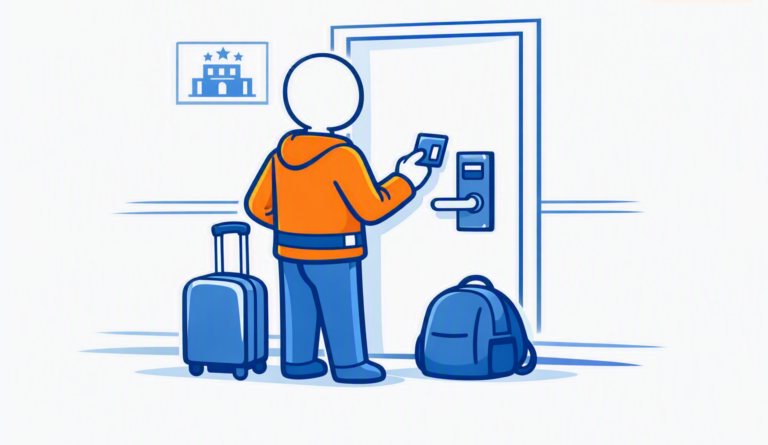
Hotels should feel restful, but it is still sensible to do a few quick checks when you arrive. These habits only take a few minutes and can help you settle in with confidence.
- Check that the door lock, latch and door chain work properly.
- Use the door chain or secondary lock when you are inside the room.
- Keep valuables in the room safe if one is available or secure them discreetly.
- Avoid ground-floor rooms, if possible, particularly where windows or doors open directly onto public areas.
- Do not say your room number out loud in public areas.
- Be cautious if someone claims to be hotel staff but you were not expecting them. Call reception to check before opening the door.
- Locate the nearest fire exit and count the number of doors between your room and the exit.
- Keep curtains closed at night, especially if your room faces a public walkway or street.
Staying safe when out and about
Exploring is one of the best parts of travelling. A few simple practices can help you enjoy new places while reducing avoidable risks.
- Stay aware of who and what is around you, especially in crowded or unfamiliar places.
- Avoid isolated areas, poorly lit streets and shortcuts that do not feel right.
- Keep valuables secure and avoid carrying more cash than you need.
- Do not display wealth through jewellery, watches, expensive bags or large amounts of cash.
- Step aside before checking maps or your phone so you’re not distracted in busy areas.
- Use trusted transport, especially at night.
- Avoid walking alone late at night where you do not know the area.
- Keep local emergency numbers saved and know where you could go for help.
Common travel scams
Scams vary by destination, but many follow similar patterns. Knowing the basics makes it easier to spot a problem early and walk away calmly.
- Distraction theft: one person distracts you while another takes a bag, phone or wallet.
- Fake taxi drivers: unofficial drivers overcharge, take longer routes or pressure you into paying cash.
- Overcharging scams: prices change suddenly, bills include unexpected extras or card machines show the wrong amount.
- Fake police officers: someone asks to inspect your passport, wallet or cash. If unsure, go to a police station or public place.
- Helpful stranger scams: someone offers unsolicited help at an ATM, ticket machine or attraction, then asks for money or takes advantage of the distraction.
- Card skimming: a card machine or ATM is tampered with to capture card details and pin.
- Fake petitions: someone asks you to sign a form while an accomplice targets your belongings.
- Closed attraction scam: someone says a museum, temple or attraction is closed and directs you to a shop, tour or alternative route.
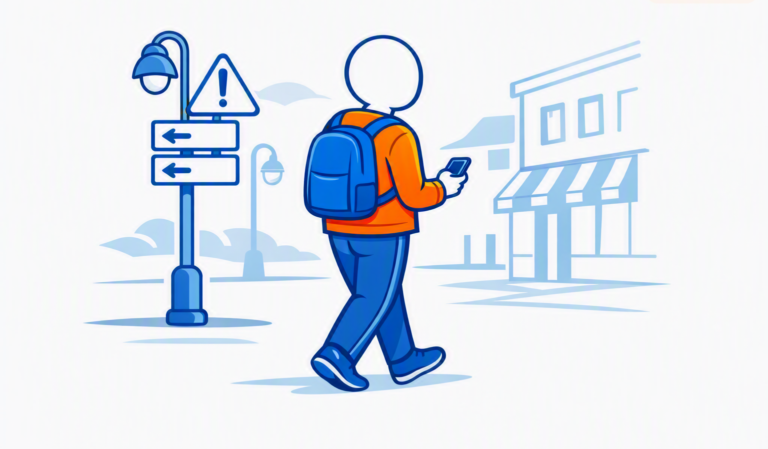
Common mistakes travellers make
Most travel problems come from simple oversights rather than major mistakes.
- Not planning routes before leaving the hotel.
- Leaving drinks unattended or accepting drinks from people you don’t know.
- Using public Wi‑Fi for banking, shopping or sensitive accounts without protection.
- Carrying too much cash in one place.
- Wearing expensive jewellery or watches in crowded tourist areas.
- Leaving valuables unsecured in hotel rooms.
- Ignoring instincts when something feels wrong.
- Not checking transport schedules, especially for late-night return journeys.
Staying safe when travelling alone
Travelling alone can be rewarding and empowering. The key is to make choices that give you flexibility, visibility and confidence.
- Share your itinerary and accommodation details with someone you trust.
- Use live location sharing when travelling to unfamiliar places or arriving late.
- Avoid isolated areas, especially at night.
- Stay aware of your surroundings and keep headphones low or off when walking.
- Trust your instincts and leave situations that feel uncomfortable.
- Choose accommodation with strong reviews, secure access and a safe location.
- Avoid risky situations such as accepting lifts from strangers or sharing too much personal information.
- Avoid oversharing personal details with people you meet, including your hotel name or room number.
- Avoid posting real-time location updates on social media.
Staying safe in unfamiliar places
When you are somewhere new, slow down and give yourself time to understand the environment. Calm decisions are usually safer decisions.
- Stay calm if you feel unsure and move towards busier, well-lit areas.
- Observe your surroundings before checking maps or messages.
- Avoid risky shortcuts through alleys, parks or quiet areas you do not know.
- Ask hotel staff which areas are safe, how to travel at night and which transport options they recommend.
- Avoid poorly lit streets and empty transport stops where possible.
- Know where you can go for help, such as hotels, shops, transport staff or police stations.
- Learn a few basic phrases if travelling somewhere with a different language, it helps with directions and emergencies.
Managing money safely when travelling
Money safety is one of the most common travel concerns. A few simple routines can reduce risk and make everyday spending easier.
- Use ATMs inside banks or well-lit areas rather than street-side machines.
- Avoid carrying large amounts of cash — withdraw smaller amounts more often.
- Keep backup cards separate from your main wallet.
- Use hotel safes for spare cards or emergency cash.
- Avoid exchanging money with street vendors or unofficial exchange points.
- Keep wallets in front pockets or zipped bags in crowded areas.
- Be cautious when paying by card — check the amount before entering your PIN.
Staying safe online when travelling
Digital safety is part of modern travel. Protecting your devices and accounts helps prevent fraud, identity theft and data loss.
- Avoid using public Wi‑Fi for banking, shopping or sensitive accounts.
- Use a VPN if possible to protect your connection.
- Turn off Bluetooth when not needed.
- Avoid sharing personal details on unsecured networks.
- Keep devices locked with a PIN or biometric security.
- Update apps and operating systems before you travel.
- Avoid plugging devices into public USB charging points — use your own charger or a power bank.
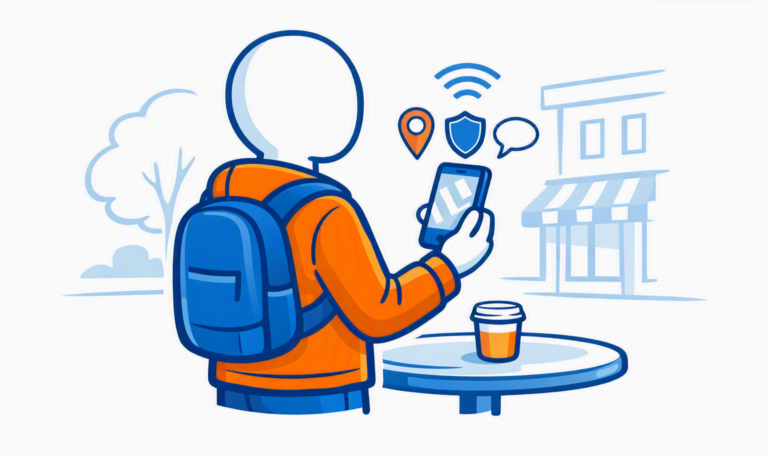
Useful apps for travel safety
The right apps can make travel easier, safer and less stressful. Download and set them up before you leave, rather than waiting until you are tired or offline.
- what3words: useful for describing an exact location in an emergency or unfamiliar area.
- Google Maps: helpful for route planning, offline maps and checking travel times.
- WhatsApp live location: useful for sharing your route with someone you trust.
- Uber or Bolt: useful where verified ride-hailing services operate.
- Airline apps: helpful for boarding passes, gate updates and disruption alerts.
- Emergency SOS: learn how it works on your phone before travelling.
- Currency converters: useful for checking prices and avoiding confusion.
- Translation apps: helpful for signs, menus, directions and simple conversations
→ Read the personal safety gadget guide
Useful travel gadgets
Travel gadgets are not a substitute for awareness, but they can make it easier to protect your belongings and feel prepared.
- RFID wallets or card holders.
- Portable door locks or door wedges where suitable.
- Power banks for long travel days.
- Portable travel safes or lockable pouches.
- Anti-theft bags with secure zips and cut-resistant straps.
- Luggage trackers for checked bags or important items.
- A small torch for dark paths or unexpected power cuts.
→ Read the travel security gadget guide
Travelling home safely
It is easy to relax on the way home, but travel days can still be busy and tiring. Keep your routine steady until you are safely back.
- Keep passports, tickets and travel documents secure and easy to reach.
- Stay aware in airports, stations, queues and baggage areas.
- Avoid last-minute rushing by allowing more time than you think you need.
- Check your luggage carefully before leaving transport, accommodation or cafés.
- Keep valuables close until you are home.
Quick checklist
- Check official travel advice before you book and again before you travel.
- Save emergency numbers and embassy or consulate details.
- Research your accommodation area and transport options.
- Share your itinerary with someone you trust.
- Keep passports, cards and documents secure.
- Use trusted transport, especially when arriving late or travelling alone.
- Stay aware in airports, stations, tourist areas and crowded places.
- Keep valuables close and avoid displaying wealth.
- Know common scams in your destination.
- Trust your instincts and move away from situations that feel wrong.
Summary
I hope this guide helps you feel better prepared to stay safe while travelling and enjoy the many wonderful places the world has to offer.
By researching your destination, booking carefully, protecting your documents, using verified transport and trusting your instincts, you can reduce common risks and travel with greater confidence.
Small habits can make a real difference, and once they become part of your travel routine, they are easy to maintain.
About me
II’m Lasse, a security expert with 25 years’ experience in the industry. I’ve led security teams for major companies, supported people through crises, and seen first-hand how simple, common-sense steps can prevent many incidents before they happen.
I’m also a husband and father, and I care deeply about helping people keep themselves and their loved ones safe wherever they travel. Over the years, I’ve helped friends, family and colleagues build simple travel safety habits, prepare better for unfamiliar places and feel more confident when going on a trip or vacation.